
Hu Yaobang (November 20, 1915 ~ April 15, 1989) was a former General Secretary of the Chinese Communist Party and a reformist of the Communist Party. In the early days of reform and opening up, he was a key executor of overturning wrongful convictions and the major debate on the standard of truth. In 1987, he was accused of ineffective opposition to ‘bourgeois liberalization’ and was forced to resign. He passed away on April 15, 1989, and the public mourned him, which ultimately triggered the June Fourth Tiananmen Incident of 1989.

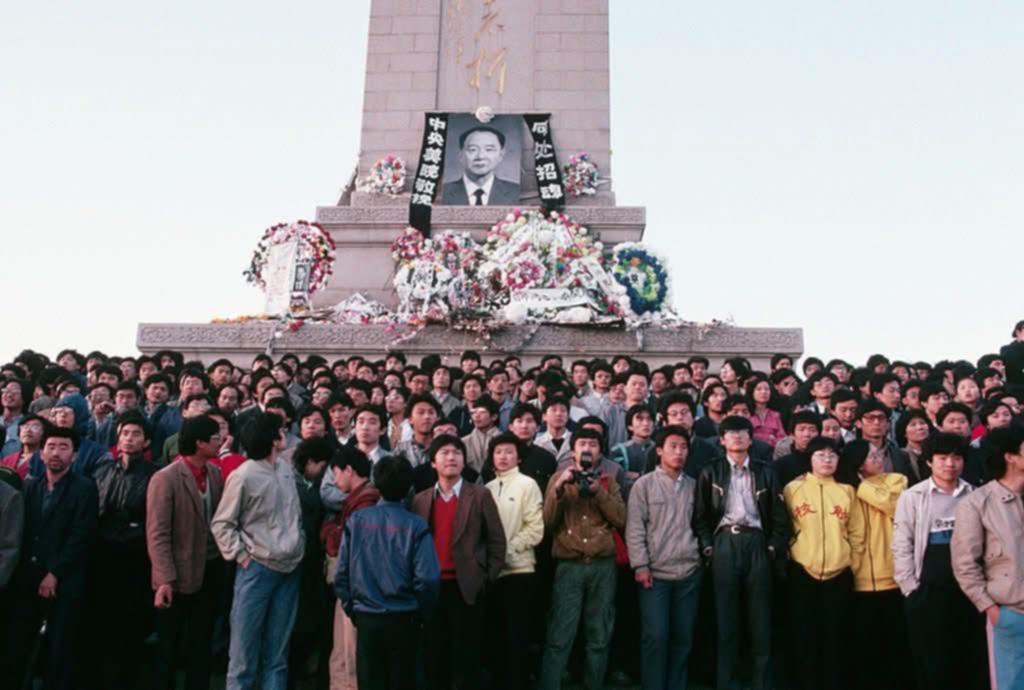

Ji Nian Hu Yaobang
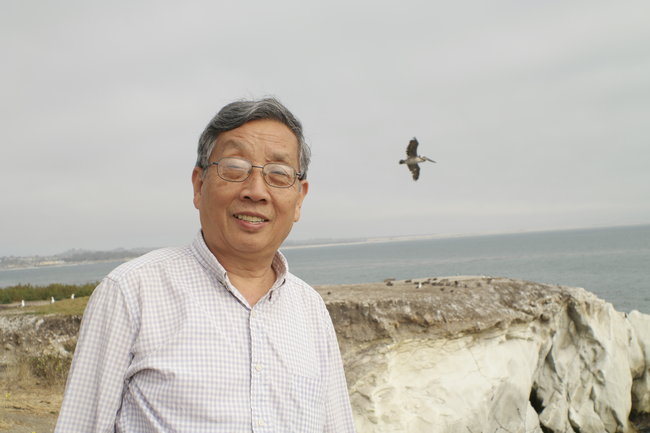
Hu was pacified
April15, 2026
April 15 marks the 37th anniversary of Hu Yaobang’s death. Hu Yaobang’s most important achievements were: bravely overturning wrongful convictions, organizing major discussions on “practice is the sole criterion for testing truth,” organizing theoretical retreats, promoting ideological emancipation movements, protecting the Democracy Wall, opposing the arrest of dissenters, protecting university student election movements, protecting a large number of liberal intellectuals within the Party, opposing the suppression of humanitarian and alienation discussions, resisting the “Campaign to Eliminate Spiritual Pollution,” supporting political reform discussions, and resisting “anti-bourgeois liberalization.”
In a speechat the Second Session of the Fifth National People’s Congress in June 1979, Hu Yaobang clearly expressed his position on abolishing the Democracy Wall and arresting Wei Jingsheng and others. Hu Yaobang said: “I have always supported anyone exercising their democratic rights under the socialist system. I hope everyone enjoys the greatest freedom under the protection of the constitution. Although at the Central Work Conference and this National People’s Congress, many comrades, whether by name or not, criticized me for supporting so-called democratization movements that violate the ‘Four Cardinal Principles’ behind the central government’s back and promote anarchism, I still maintain my own views. “I advise comrades not to arrest people for fighting, and even less to arrest them for imprisonment.”
As is well known, Hu Yaobang was forced to resign on the charge of “ineffective anti-liberalization.” To be fair, this “charge” is not unjust. As one of the top leaders of the authoritarian regime, Hu Yaobang’s greatness lay in his refusal to implement political persecution and his tolerance of dissent and democratic movements.
Similarly, we praise Zhao Ziyang and commemorate him. Zhao Ziyang had already boldly reformed during his time as Premier, and after becoming Premier, he promoted Sichuan’s experience nationwide. Zhao Ziyang was the actual organizer and leader of China’s economic reforms, laying the foundation for the marketization, privatization, and integration of the Chinese economy into globalization. After taking office as General Secretary, Zhao Ziyang worked hard to minimize the harm caused by anti-liberalization and reopened a relatively relaxed political environment. Most importantly, during the 1989 democracy movement, Zhao Ziyang insisted on dialogue and resolved issues through democratic and legal means, firmly opposing the use of force to suppress peaceful protesters. To uphold this moral principle, Zhao Ziyang was placed under house arrest for 16 years, remaining unyielding and unwavering until his death.
Tolerating dissent and opposing violent suppression of peaceful protests, although it only reflects the most basic humanitarian and basic moral conscience, is a fundamental blow to autocratic tyranny, meaning the entire country is beginning to embark on the right path of peaceful democracy.
Communist autocracy is a vast and complex state apparatus, but for this machine to function properly, it must continuously implement political persecution and punish crimes through speech. Once it stopped political persecution, stopped punishing by speech, this massive autocratic machine was paralyzed, stopped, and died. Communist autocracy never eats vegetarian; it must drink human blood and human flesh every day to survive. Once it stops eating human blood and flesh, it immediately dies of thirst and starvation.
Previously, many people often discussed thesimilarities and differences between reforms in China, the Soviet Union, and Eastern Europe, saying that the Soviet Union and Eastern Europe first pursued political reform before economic reform, while China pursued economic reform before political reform. The Soviet Union and Eastern Europe were radical, while China was gradual. In fact, this explanation is completely unreasonable. The real difference between China’s and Soviet reforms in Eastern Europe lies in one thing: when the public expresses dissent, do you arrest people or not? Faced with wave after wave of peaceful democratic movements, should you suppress or not, kill or not?
Hu Shi once said: “Tolerance is more important than freedom.” Hu Shi said, “Sometimes I actually feel that tolerance is the foundation of all freedom; without tolerance, there is no freedom.” “In fact, tolerance and freedom are essentially the same thing—two sides of the same thing. But freedom is for oneself, tolerance for others. As Yin Haiguang said: “Tolerance is the same; those without power and influence find it easy, but those with power and influence find it hard.” ” In democratic countries, those in power, because their power is effectively checked, find it hard to be intolerant, so their tolerance is not surprising. Therefore, the importance of tolerance is especially evident in those whose power is not checked: being able to tolerate yet being willing to tolerate is truly precious. How did autocracy transform into liberal democracy? From the perspective of those in power, it starts with tolerating dissent. How did communist countries like Eastern Europe and Mongolia transform? Faced with large-scale peaceful protests, the authorities abandoned their previous stance of military suppression and instead engaged in peaceful dialogue with the protesters. Once the authorities recognize the people’s right to peaceful expression, the democratic transformation begins immediately.
The constitutions of all communist countries clearly state that all power comes from the people, and all levels of power—including the highest power—must be elected. Elections under the communist system were fake because there was no freedom of speech, and because dissenting opinions were prohibited; As long as there is freedom of speech, as long as there is freedom to express dissent, elections will immediately become real. This means that under the communist system, once the people have true freedom of speech, they also have genuine democracy. We can simplify the distinction between democracy and autocracy to the difference between “counting heads” and “beheading people.” A country, as long as it no longer resolves political disagreements by beheading, cannot avoid using the method of counting heads. That means it will inevitably switch to democracy.
It was precisely on this crucial issue that Hu Yaobang and Zhao Ziyang demonstrated their greatness. This is the spirit of Hu Yaobang and Zhao Ziyang. This is why we commemorate Hu Yaobang and Zhao Ziyang.
Source: Hu Ping’s Facebook

Wang Dan
April15, 2026
Today marks the 37th anniversary of Hu Yaobang’s passing, the starting point of the 1989 Student Movement, and the starting point of this year’s June Fourth commemoration activities.
Thirty-seven years have passed, but the long passage of time and unfinished goals have never been reasons to forget. Things to remember, things to be remembered—remember for 370 years, remember for 570!
Because remembering and persisting in remembering is our basic dignity as human beings. This has nothing to do with success or failure, nor with external evaluations; it’s a choice we make to face ourselves.
We look forward to more friends standing up for this year’s June 4th; We also hope everyone will commemorate the passion and ideals they once shared in different ways.
Source: Wang Dan’s Facebook
Talking about starting work and cutting off the phone
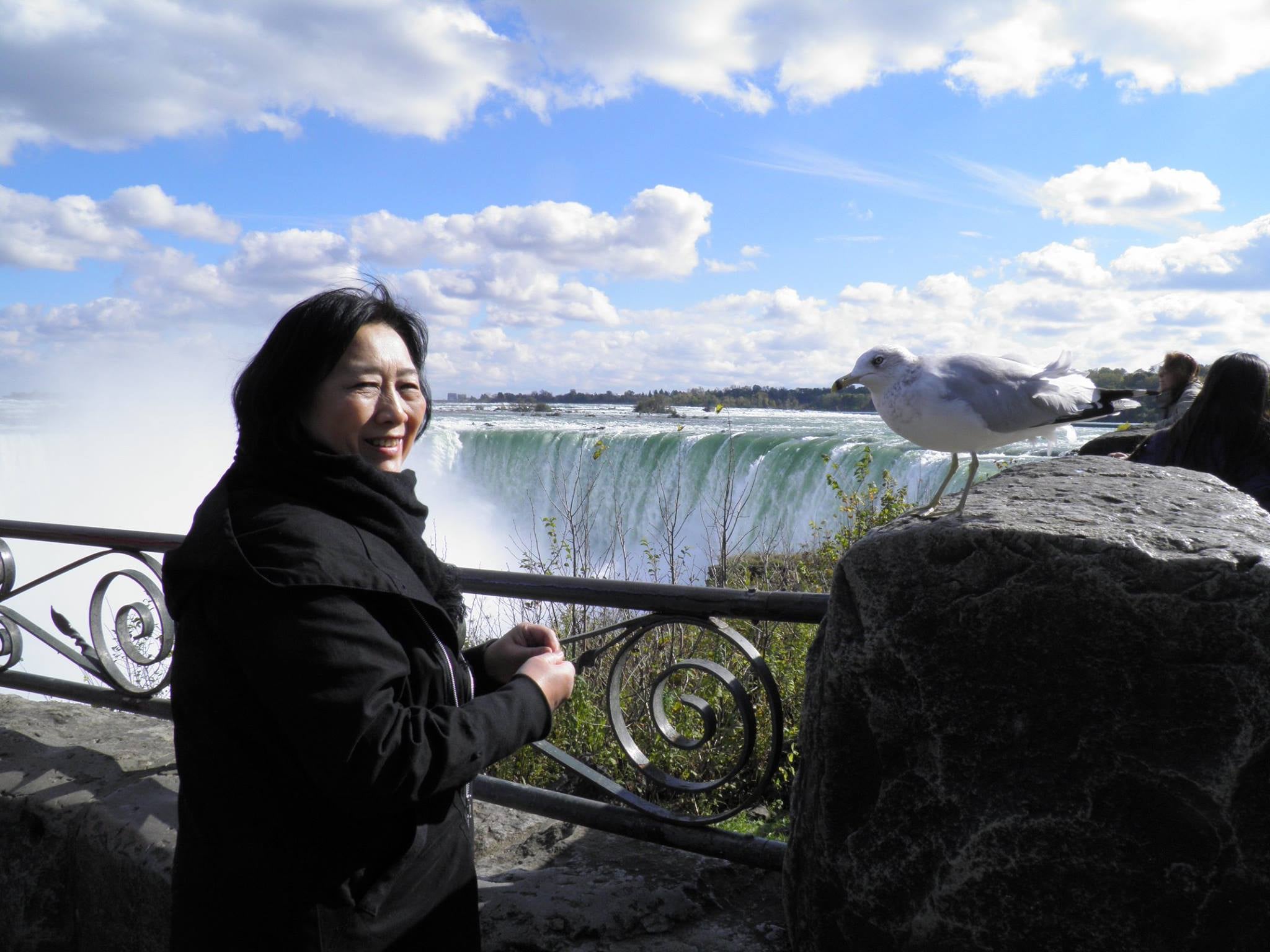
Gao Yu
April15, 2026
Today is April 15th, the 37th anniversary of Hu Yaobang’s passing, and many friends in Beijing were put on duty for a day.
This is outrageous—Hu Yaobang was also a national leader and a member of the Politburo at the end of his life. Do all Politburo members have to work on their death anniversary?
OnMarch 30 last year, Hu Yaobang’s third son, Hu Dehua, passed away. He stood guard for me until April 15, the anniversary of his father’s death. Ask the police and national security, then try to get a clear answer from the Beijing Municipal 12345 hotline, but unfortunately, their phones are blocked. Even with the online hotline, you have to scan the code with your phone. So from the year since Hu Dehua’s death, I still haven’t asked clearly why the Hu family members were working on the anniversary of his death.
Many sensitive days in Beijing not only waste taxpayers’ money but also constantly remind people of the June Fourth Massacre. For the government, this act of working is actually a case of picking up the wrong spot.
Also, living in Beijing, it’s hard to get by without a mobile phone. My phone, home broadband, and landline have been cut off for 1 year and 8 months. I still don’t know why I’m blocked. I tried a phone number from Unicom, but it never goes through. After major left shoulder surgery, I couldn’t get a follow-up for a year and a half, and without a phone, I couldn’t get a specialist appointment for surgery.
On sensitive days, some came to work, some came to delete tweets, and as soon as mobile phones and broadband were mentioned, the police station and precinct immediately said it had nothing to do with them, and even told me it had nothing to do with the city bureau.
Is this trying to force me to petition?
Source: Kao Yu’s Facebook
Hu Yaobang: “Living in the human heart is eternal life.”
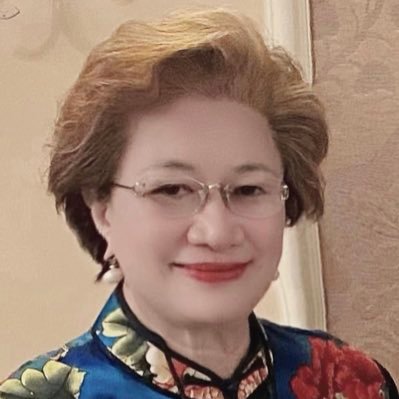
Zeng Huiyan
November 20, 2005
November20, 2005, marked the 90th birthday of the late Chinese Communist Party General Secretary Hu Yaobang. More than 16 years after his depressed death, General Secretary and President Hu Jintao of China decided to hold a grand memorial event against all objections. The news that “Hu Jintao is clearing Hu Yaobang’s name” has been rampant, and the behind-the-scenes mysteries are intriguing.
Hu Yaobang holds a special political position in mainland China; he attempted to promote political reform but was forced to step down in January 1987; His name is closely linked to the June Fourth Incident in 1989. His death in April became the trigger for the 1989 pro-democracy movement, with large-scale mourning activities spontaneously organized by the public, leading to the June Fourth bloody incident. Therefore, Hu Yaobang, like Zhao Ziyang, is inseparably linked to the June Fourth Incident, which remains a taboo for the CCP to this day, and commemorating Hu Yaobang is also taboo in China. At this critical moment, Hu Jintao broke convention and strongly advocated for commemorating Hu Yaobang, which will become a major political event for the CCP, sparking various speculations and differing political interpretations both domestically and internationally.
Deng Xiaoping cut off both his own hands
Besides his connection to June 4th, Hu Yaobang’s fate was also closely linked to the ‘1986 Student Movement.’ At the end of 1986, more than ten provinces and cities in China saw intense university student demonstrations, with the main slogan being ‘Fight for democracy, seek freedom.’ The student movement originated in Hefei; extending westward to Wuhan and Kunming; To the east, it bordered Nanjing and Shanghai; Heading north to Jinan and Tianjin; Southward to Hangzhou, Suzhou, Shenzhen, and Guangzhou; It ended in Beijing, lasting over a month. This ‘1986 Student Movement’ was seen as a prelude to the ‘1989 Democracy Movement,’ resulting in the expulsion of Fang Lizhi, Liu Binyan, and Wang Ruowang—three figures whom Deng Xiaoping had accused of being ‘prominent figures in bourgeois liberalization’—and then Hu Yaobang was forced to step down, marking a major reversal of China’s political landscape.
On April 15, 1989, after more than two years of being ousted from office as CCP General Secretary Hu Yaobang, he suddenly passed away, prompting the public to spontaneously mourn this enlightened leader. Due to the authorities’ indifference and ruthlessness, public dissatisfaction arose. The movement gradually escalated from “mourning Hu Yaobang” to “anti-corruption, fighting for democracy, demanding democracy.” The grand 1989 pro-democracy movement arose, and Beijing authorities brutally suppressed it, resulting in the tragedy of June 4th. Since then, Hu Yaobang’s name has basically disappeared from mainland media. Take the semi-official China News Service (commonly known as China News Service) for example—its database cannot find any information about Hu Yaobang. A dignified General Secretary of the CCP vanished without a trace just like that.
However, despite the CCP authorities having banned Hu Yaobang for over a decade, the people have not forgotten him. In the hearts of the mainland people, Hu Yaobang is a Communist Party leader who cares deeply for the people and is honest and honest. He played a major role in resolving the Cultural Revolution, overturning wrongful convictions, promoting ideological emancipation, leading economic and political reforms, opening up to Western countries, resisting conservative forces, and protecting enlightened individuals, thus ushering in China’s era of reform. He led discussions on the ‘standard of truth’ during the reform and opening-up period, pulling Mao Zedong down from his pedestal; He resisted ‘anti-bourgeois liberalization’ and insisted on focusing on economic development, winning the hearts of the people.
During the ten years ofthe Cultural Revolution’s catastrophe, the CCP committed countless crimes against hundreds of millions of people. Despite widespread public alienation and deep hatred toward the CCP, Hu Yaobang used unparalleled courage to set things right. To some extent, he was a hero in saving the Chinese Communist Party from the brink of extinction. “Without Hu Yaobang, there would be no Chinese Communist Party today.”
However, although Hu Yaobang held the position of CCP General Secretary representing the highest authority, he remained in the awkward position of a “child emperor” and ultimately stepped down after angering the “Retired Emperor” Deng Xiaoping. Once upon a time, Deng Xiaoping once made a bold declaration: “If the sky falls, Hu (Yaobang) and Zhao (Ziyang) will hold it up!” All are gone!
Hu Yaobang and Zhao Ziyang were once Deng Xiaoping’s right-hand men and are regarded as the most enlightened and pragmatic leaders within the CCP system. Under the ‘Hu-Zhao regime’ of the 1980s, the two implemented Deng Xiaoping’s policies and won praise. But for well-known reasons, Deng Xiaoping cut off his left hand Hu Yaobang and his right hand Zhao Ziyang, creating the Hu-Zhao wrongful case with one hand.
After Hu Yaobang passed away, his family did not allow him to be buried in the Babaoshan Revolutionary Cemetery, but instead allowed him to rest in Gongqingcheng, Jiangxi. According to the November issue of Hong Kong’s “Forward” magazine, over the years, every Qingming Festival and Hu Yaobang’s death anniversary, his grave has turned into a sea of flowers. A few years ago, the authorities, fearing that too many people might cause accidents, kept removing wreaths and preventing people from visiting graves. People played hide-and-seek with the authorities, and if they didn’t allow Tomb-Sweeping on Qingming or the anniversary of the memorial, they would go earlier or later. This made the authorities realize that the people have a measure in their hearts and cannot forget Hu Yaobang, who died with injustice. Moreover, back then, even tank machine guns couldn’t stop commemorating Hu Yaobang. It would be better for the authorities to take the lead in a grand commemoration, turning the initiative into the passive.
After Hu Yaobang was “frozen” for over 16 years, the Hu Jintao, whom he personally mentored back then, finally showed humanity by “thawing” him and preparing a grand memorial. Since news broke in early September that Hu Jintao had approved holding Hu Yaobang’s 90th birthday, there has been a strong social reaction, with mixed opinions from all sides. Some believe this move was intended to recognize Hu Yaobang’s contributions, resolve public resentment, ease international pressure, improve the global image, and win support from intellectuals and the party’s enlightened faction. Some believe Hu Jintao is using the mourning of Hu Yaobang as a show to increase his political resources, continue to consolidate the current CCP authoritarian rule, and maintain stability. Some see this as a signal that Hu Jintao hopes to make a difference and a prelude to political reform. Hu Yaobang wanted to lead China onto a broad path to democracy, but unfortunately, he died before he could succeed. The public hopes that Hu Jintao will use this memorial as an opportunity to initiate political reforms and lead China onto a path of long-term stability and stability.
Themost important issue at the Fifth Plenary Session of the 16th CPC Central Committee remains the direction the CCP is heading, with personnel arrangements coming second. As the CCP rises economically, whether it will take steps toward political reform is a matter of concern. In this sense, the CCP’s decision to publicly commemorate Hu Yaobang on a large scale serves as an important indicator. After commemorating Hu Yaobang, whether the CCP will further restore Hu Yaobang’s reputation and how to avoid the sensitive June Fourth issue will become focal points of public attention.
For the first time, he publicly praised Hu Yaobang
According to a Washington Post report on October 9, Hu Jintao decided to hold a symposium commemorating the 90th anniversary of Hu Yaobang’s birth, breaking the taboo that had persisted since the June 4th Tiananmen incident. It is seen as Hu Jintao’s courtesy of reformists to consolidate his leadership base. This report, citing insiders from the Washington Post correspondent in Beijing, points out that commemorating Hu Yaobang is a small step for Chinese reformists, but it is an important one.
Although there are variousopinions about the CCP’s motives for commemorating Hu Yaobang, most agree that the commemoration holds significant political significance. After all, this is the first public commemoration of Hu Yaobang by Beijing authorities in the 16 years since the June Fourth Incident, showing the significance of the matter.
On the eve of the CCP’s commemoration of Hu Yaobang, the magazine “China Reform,” supervised by the National Development and Reform Commission, published a special article in early November titled “Living in the People’s Hearts Is Eternal,” in which it unusually high-profile and praised Hu Yaobang’s three major reforms and opening-up efforts in recent years: redressing wrongful convictions and clarifying social relations; Vigorously advocate ideological emancipation to clear the way for reform and opening up; A reform pioneer with a firm character, decisive action, and tireless efforts.
Hu Yaobang was forced to resign under pressure from Deng Xiaoping and other senior statesmen, and since then, the authorities have consistently avoided publicly mentioning Hu Yaobang and his people. China News Agency, which has semi-official mainland backgrounds, left a hidden message when reposting this article. The article points out that in the early days of China’s reform and opening up, Hu Yaobang used extraordinary courage and effective work to vigorously clear the name of countless wrongful cases, holding the motto: “If we don’t put ourselves in the oil, who will?” and resolutely carried out rehabilitation work, playing a crucial role in initiating reform and opening up on the mainland.
The article lists the overcoming difficulties Hu Yaobang overcame many difficulties during his tenure as Minister of the Central Organization Department to redress wrongful convictions, including the rehabilitation of veteran cadres, the ‘rightists,’ the ‘land, wealthy, rebels, evil, and rightists,’ victims of various political movements, as well as the redress of Liu Shaoqi’s wrongful case.
The article highly praised Hu Yaobang for contributing the most to the rehabilitation, for his courage, his most resolute attitude, and for his fairest judgment; He also stated that if this step had not been taken at that time, reform and opening up would have been out of the question.
The article also points out that when Hu Yaobang presided over the Central Party School as vice president, he first responded to Deng Xiaoping’s proposal to break the ‘two whatevers.’ The Central Party School’s publication “Theoretical Trends” published a series of articles that sparked a major debate reestablishing the correct standard of truth; In breaking through ideological taboos, updating concepts, and removing obstacles to reform and opening up, Hu Yaobang made tremendous contributions. “He can be called a pioneer who forges ahead bravely and achieves remarkable results.”
The article states that on rural reform, Hu Yaobang was one of the earlier central leaders after Deng Xiaoping to clearly support peasants in Anhui, Sichuan, and other regions to spontaneously create reforms. In urban reform, Hu Yaobang was also one of the earliest leaders after Deng Xiaoping to advocate for the legitimacy of the commodity economy and market economy. His proposal of “special handling of special cases, new handling of new matters, unchanged stance, and brand-new methods” is the guiding ideology for the Special Economic Zone in conducting reform experiments and creative work. The article also praised Hu Yaobang’s special focus on building party conduct and clean government, stating, “He himself leads by example, with integrity and integrity.”
This is the first time since Hu Yaobang’s death that mainland official media have publicly recognized Hu’s achievements. Hu is a key contributor to reform and opening up, so choosing the “matched” magazine China Reform to praise him is the most fitting choice.
Before this, mainland newspapers had already begun to publish articles commemorating Hu Yaobang. An earlier article was written by Zhang Chenghai, a staff member of Hu Yaobang’s lifetime, and published in the seventh issue of the ‘Party History Expo’ monthly. Many of its contents were little known, including that Hu Yaobang had never suffered from heart disease before, but after catching a cold during the 1989 Spring Festival in Hunan, he developed a heart attack. Although his condition had stabilized, on the day of the incident, he insisted on going to the bathroom on his own, which caused a large rupture of a blood vessel in his left chest and he passed away.
Due to the long-standing lack of political transparency in the Chinese Communist Party, news has been flying since Hong Kong’s “Trend” magazine first revealed in September this year that Hu Jintao intended to clear Hu Yaobang’s name. A report from Beijing by Reuters pointed out that to prevent large-scale memorial events for Hu Yaobang from causing social unrest, the CCP has proposed reducing the scale of the event. The 2,000-person memorial rally originally scheduled for Hu Yaobang’s 90th birthday was changed to a 300-person seminar two days earlier, allowing Hu Jintao to use attending the APEC meeting as an excuse to avoid attending the commemorative event, with Premier Wen Jiabao attending instead.
However, many people remain skeptical about this news. The reason is, since Hu Jintao once insisted on commemorating Hu Yaobang against public opinion, why is he now “backing down at the last minute”? If the rumors are true, it will raise suspicion about the inside story.
Reuters quoted mainland Chinese scholars as saying this move stems from the CCP’s hardliners fearing that a wave of political openness could trigger widespread demonstrations among mainland Chinese citizens, triggering a “color revolution” similar to those in Central Asian countries.
“The Secret of the Erhu.”
OnNovember 11, Hong Kong’s Asia Weekly published a cover article titled ‘The Secret of the Erhu,’ reporting on Hu Jintao’s push to commemorate Hu Yaobang despite public opinion. The report specifically mentioned that Hu Jintao and Premier Wen Jiabao valued Hu Yaobang’s political last words, including the issue of political democratization. The report pointed out that Hu Jintao strongly advocates holding a grand memorial for Hu Yaobang to clear his name as a “selfless and fearless reformer.”
The article pointed out that the Politburo Standing Committee of the Chinese Communist Party had held a meeting to discuss commemorating Hu Yaobang, with Huang Ju, Luo Gan, and Li Changchun raising the question, “What should be done about commemorating Hu Yaobang during June 4th?” Wen Jiabao raised the question, “What should Zhao Ziyang do?” But when Hu Jintao pressed them for their personal opinions on Hu Yaobang, all four said they had no objections.
Hu Jintao said that Zhao Ziyang had just passed away, so it could be set aside; Hu Yaobang has been gone for 16 years. All nine Politburo Standing Committee members signed the document, agreeing to commemorate Hu Yaobang.
AsiaWeekly said that Zeng Qinghong, who has long followed former General Secretary Jiang Zemin, fully supports Hu Jintao on the issue of commemorating Hu Yaobang. The relevant central document specifically stated, “According to the instructions of Hu Jintao and Zeng Qinghong, the central government has decided to hold commemorative activities on the occasion of the 90th anniversary of Hu Yaobang’s birth.”
In fact, the earliest report of disagreement among CCP Politburo Standing Committee members on the issue of commemorating Hu Yaobang was the October issue of Hong Kong’s Open magazine.
Open Times quoted sources revealing that when Hu Jintao submitted the plan to commemorate Hu Yaobang to the Politburo Standing Committee for discussion, a sharp struggle broke out. Of the nine members, four expressed opposition: Huang Ju, Li Changchun, Luo Gan, and Wen Jiabao, who had previously worked under Hu Yaobang. Their reason for opposition was: “Commemorating Hu Yaobang, what about June Fourth? What about Zhao Ziyang?” Although the four expressed their own views, their conclusions were the same.
Hu Jintao said, “Don’t talk about June Fourth or Zhao Ziyang for now. First, share your personal opinions about Comrade Hu Yaobang.” Huang, Li, and Luo each said, “We have little contact with Comrade Hu Yaobang and have no objections.” Hu Jintao said, “If you have no objections, then you should do it.”
However, Wen Jiabao insisted, “What about Zhao Ziyang?” Hu Jintao said, “Comrade Hu Yaobang has been gone for 16 years, and Zhao Ziyang just passed away. We can let him go for a while and deal with it later.”
When Hu Jintao prepared to commemorate Hu Yaobang, Wen Jiabao raised objections—not because Wen Jiabao was out of old ties, but because he was concerned about the next steps in redressing June Fourth and Zhao Ziyang.
Jin Zhong, editor-in-chief of Open Times, pointed out that Beijing’s top leadership has differing opinions on the issue of commemorating Hu Yaobang. Hu Yaobang represented the Tuanfaction. For Hu Jintao, he wanted to use this event to strengthen his position as the leader of the Tuanpai, since Hu Yaobang was the founder of the Tuanfaction. However, this cannot be used to claim that Wen Jiabao belonged to Zhao Ziyang’s faction. Wen Jiabao may worry that commemorating Hu Yaobang would spark debate over Zhao Ziyang’s historical positioning.
Despite differing sources, the CCP leadership still arranged for Hu Yaobang to be commemorated with a higher political standard. The main activities are official and civilian. The official event is held at the Great Hall of the People in Beijing, commemorating the 90th birthday of Comrade Hu Yaobang, attended by the main CCP leaders. Folk commemorative events are held in his birthplace of Liuyang, Hunan, and his resting place at the Gongqingcheng in De’an, Jiangxi. Other places where Hu Yaobang worked may also hold related commemorative events.
According to Hong Kong media reports, the Hu Yaobang Memorial Park, located in Zhonghe Town, Liuyang, Hunan, will feature a 150,000-square-meter ‘Hu Yaobang Memorial Park,’ which will include a memorial plaza and a statue of Hu Yaobang. The Hu Yaobang Memorial Hall is also under rapid construction and is scheduled to open to the public in late November. After renovation, the Hu Yaobang Former Residence was recently reopened and may be upgraded from a provincial key cultural relic protection unit to a national-level cultural relic protection site.
Overseas, to commemorate Hu Yaobang, Su Shaozhi, former director of the Marxism-Leninism Research Institute at the Chinese Academy of Social Sciences; Chen Yizi, former director of the Institute of Economic System Reform in China; and Gao Wenqian, former head of the Zhou Enlai Life Research Group at the Central Literature Research Office, initiated the publication of the commemorative collection “Hu Yaobang in the People’s Hearts” and held related seminars in Flushing, New York on the 19th. Su Shaozhi pointed out that when they first launched the memorial event, they did not know that the Chinese authorities had also broken the taboo and held a grand memorial for Hu Yaobang, which was purely coincidental.
Chen Yizi pointed out that Hu Yaobang’s chairmanship of the “Practice Standards” discussion broke the ideological shackles imposed on Mao Zedong’s “Two Whatevers,” overturned over three million wrongful convictions, and opened a new era for China. However, he himself was treated unjustly, dismissed from his position as General Secretary on charges of ‘condoning bourgeois liberalization,’ and died in depression, sparking the massive 1989 pro-democracy movement, which ultimately ended with the bloody June 4th crackdown. The wounds of history remain unhealed to this day.
Chen Yizi believes that Hu Jintao’s commemoration of Hu Yaobang is meant to ease increasingly acute social tensions. At the same time, facing mounting pressure on political reform and corruption both domestically and internationally, he must use Hu Yaobang’s reputation and integrity to save himself from his predicament. While Hu Jintao is criticizing Hu Jintao for tightening the limits of speech and suppressing press freedom both at home and abroad, Hu Jintao decided to commemorate Hu Yaobang with the aim of renewing unrealistic fantasies and expectations about the CCP’s political reform, thereby cooling various social conflicts and easing pressure from both domestic and international sources demanding political reform.
Thedecision by the CCP leadership to commemorate Hu Yaobang is clearly extraordinary, and first and foremost, it breaks with convention. According to CCP tradition, commemorative events are usually held on the centenary of the deceased main CCP leader’s birth, including Mao Zedong, Zhou Enlai, Deng Xiaoping, and others, but Hu Yaobang commemorated the 90th anniversary.
Secondly, Hu Yaobang was forced to resign due to “serious mistakes.” Over the more than ten years since his resignation and passing, Hu’s name had disappeared from mainland publications. Now, holding a high-profile memorial event for him has been interpreted by outsiders as a subtext of overturning the verdict and clarifying his name.
Furthermore, Hu Yaobang’s death is tied to an undeniable chapter in history. His downfall was triggered by the ‘1986 Student Movement’ and the CCP’s anti-bourgeois liberalization; His passing triggered the 1989 pro-democracy movement and the June Fourth Incident. Regardless of the CCP’s motivation for commemorating Hu Yaobang now, it inevitably brings to mind this period of history and sparks various speculations.
Analysts generally agree that, given the many troubled situations the CCP currently faces, commemorating Hu Yaobang does not mean the CCP will change its definition of the June 4th crackdown. This is because the CCP insists that the repression at the time was a last resort to maintain China’s political stability and economic development.
Zhang Weiguo, editor-in-chief of Hong Kong’s ‘Dongxiang’ magazine, stated that political corruption in Zhongnanhai has become inaccumulating, the social situation in mainland China is becoming increasingly severe, and conflicts and contradictions are everywhere. Hu Jintao’s last major move this year is to solemnly commemorate Hu Yaobang’s 90th birthday, with the main purpose of shifting the crisis and shirking responsibility. Some believe he is using Hu Yaobang’s influence to win public support and repair his image; Others believe he actually wants to legitimize the political interests of the ‘Tuanpai’ by expanding his own base at the 17th Party Congress and consolidating his power base. However, various signs indicate that Hu Jintao is currently taking only half a step in every move, becoming a “crossing the river by feeling the stones” approach to governance.
Zhang Weiguo believes that the person China today most needs to learn from Hu Yaobang is none other than Hu Jintao himself. Now, he was neither clearing Hu Yaobang’s name nor personally learning from him; his intentions were obvious.
Some believe that Hu Jintao’s strong advocacy for commemorating Hu Yaobang is to thank him for his recognition and support. Back then, Hu Jintao was promoted by Hu Yaobang and was able to inherit the Communist Youth League’s vast political assets. To some extent, without Hu Yaobang back then, there would be no Hu Jintao today.
Those familiar with mainland politics know that Hu Jintao was mentored by Hu Yaobang. In 1980, Hu Jintao was exceptionally promoted by former Gansu Provincial Governor Li Dengying from Deputy Director of the Construction Committee to Deputy Director of the Construction Committee. In September of the following year, while attending the Young Cadre Class at the Central Party School, Hu Jintao was classmates with Hu Deping, son of Hu Yaobang and then deputy director of the National Museum of Chinese History.
One night, Hu Deping took Hu Jintao back to his home at No. 6 Fuqiang Hutong, Beijing, to visit Hu Yaobang, then General Secretary of the CPC Central Committee. Old Hu and young Hu had a long and harmonious conversation. Hu Jintao was courteous and spoke appropriately, leaving a deep impression on the warm and cheerful Hu Yaobang, and the two formed a close bond. Hu Yaobang became Hu Jintao’s second best mentor after Li Dengying, greatly appreciating Hu Jintao and helping him advance rapidly in his official career.
After Hu Yaobang officially promoted Hu Jintao to become First Secretary of the Central Committee, in just two years, Hu Yaobang was promoted three ranks, from deputy department head to ministerial level. All of this was thanks to Hu Yaobang’s recognition. Since then, he has been highly valued by Hu Yaobang.
Does Hu Jintao have other intentions?
ProfessorYang Liyu from Western Eastern University in the United States believes that viewing commemorating Hu Yaobang as a gesture of gratitude for Hu Jintao is far too underestimated by Hu Jintao, and he believes Hu Jintao has ulterior motives.
Yang Liyu pointed out that the CCP’s decision to commemorate Hu Yaobang and simultaneously publish his biography is intended to acknowledge Hu’s contributions, which carries significant political significance. As for whether this indicates the CCP’s intention to reassess June Fourth and rehabilitate Zhao Ziyang, it is worth watching. Commemorating Hu Yaobang requires considering three aspects: first, the motives; second, the consequences; and third, the political significance.
Yang Liyu pointed out that, in terms of motivation, since Hu Yaobang has an open-minded image, advocates political reform, and cares for the people and young students, Hu Jintao’s actions are clearly aimed at winning the support of intellectuals and the party’s progressive faction, resolving public grievances, easing international pressure, and improving the global image.
He said that facts have proven that for mainland China to continue developing, reform is essential; reform cannot be done without public support, and reform must be carried out on both sides: economic reform and political system reform simultaneously. Hu Yaobang is one of the advocates of political system reform, and commemorating him in the form of a memorial is a brilliant move. The mainland people have special feelings for Hu Yaobang, and mourning him can evoke political resonance among the public. If the authorities guide them properly, they can, to some extent, transform into political cohesion.
He pointed out that Hu Jintao’s proposal to commemorate Hu Yaobang demonstrates his courage, boldness, and the fact that his position is secure, and he hopes to use the commemoration as an opportunity to open up new prospects. This move has a broad impact. Although the time to redress June Fourth is not yet ripe, an important step has already been taken.
He pointed out that today’s CCP is by no means monolithic; there are hardliners, moderates, and rationalists. Since Hu Jintao and Wen Jiabao took office, all parties have placed high hopes on the ‘Hu-Wen New Policy.’ Hu Jintao has achieved success in three years of management and has firmly secured the throne, with a solid regime. This is evident from a series of recent major moves, including turning the Taiwan issue from passive to proactive, inviting three opposition party leaders on the island—Lien Chan, James Soong, and Yuk Mu-ming—to visit the mainland, allowing Taiwanese fruit to land with zero tariffs, allowing Taiwanese civil aircraft to fly over mainland airspace, establishing scholarship funds for Taiwanese students, allowing Taiwanese students to pay the same tuition and miscellaneous fees as mainland students, and allowing Taiwanese students to find employment in the mainland after graduation. Additionally, Beijing announced it would gift Taiwan a pair of pandas and establish a financing fund for Taiwanese businesses to assist them in entrepreneurship and business expansion. This series of offensives demonstrates the CCP’s flexibility, making it difficult for Taiwan to resist and putting it on the defensive.
Meanwhile, Beijing has changed its previous hostility toward Hong Kong’s pro-democracy camp, begun dialogue with them, and invited all members of the Hong Kong Legislative Council, including the pro-democracy camp, to visit Guangdong from September 25 to 26 to engage in exchanges and dialogue with CCP officials.
In early September, Hu Jintao delivered a speech at the opening ceremony of the 22nd World Law Conference in Beijing, stating that China would “develop socialist democratic politics, improve democratic systems, enrich forms of democracy, and ensure that citizens lawfully participate in democratic elections, decision-making, management, and supervision.” During talks with British Prime Minister Blair in Beijing, Wen Jiabao also pointed out that China will expand from village chief elections to direct elections for township chiefs within a few years. The township chief election is one of the key indicators of grassroots democratic development in mainland China and deserves attention.
Yang Liyu emphasized that the CCP has already implemented village chief elections in many regions across the country and is now reforming village committee elections. Although there is still a long way to go before true democratization is achieved, a gratifying step has already been made.
He added that on October 19, the State Council Information Office of the CCP released the white paper “China’s Democratic Political Construction,” marking the CCP’s first white paper on democratic political development. The white paper explains the emergence and development achievements of democratic construction, which is thought-provoking.
In 1985, Yang Liyu was invited by the Chinese Academy of Social Sciences to go to mainland China for academic exchange, where relevant authorities arranged for him to meet with Hu Yaobang. Yang Liyu’s impression of Hu Yaobang was that he was frank, easygoing, and sincere, lacking the tactfulness of typical CCP officials. He deeply regretted Hu Yaobang’s resignation during the CCP’s anti-bourgeois liberalization movement.
Yang Liyu pointed out that since Hu and Wen took office, all parties have placed high hopes on them. During the “Hu-Wen New Policy” period, shortly after Hu took office, he addressed various thorny issues by changing Jiang Zemin’s policies and showing strong actions, seemingly preparing for a full-scale offensive. Meanwhile, Beijing is gradually moving from economic reform to political reform, and the time for political openness and modernization has arrived. But now, it seems that Hu-Wen’s new policies remain indifferent to strong calls at home and abroad for rehabilitating June Fourth, and judging from Hu Jintao’s actions since taking office, there is still no sign of rehabilitating June Fourth.
Wu Guoguang, Chair Professor of China Studies and Asia-Pacific Relations at Victoria University in Canada, said that Hu Jintao’s commemoration of Hu Yaobang may have an expected effect: whether the CCP will execute Hu Yaobang’s political legacy at the appropriate time. This is the true test of whether the authorities are sincerely commemorating Hu Yaobang and whether they are pursuing Hu’s direction. Redressing wrongful convictions was a very decisive act by Hu Yaobang, including cases approved by Mao Zedong. June Fourth was a definite decision by Deng Xiaoping. Do Hu Jintao and his associates dare to rehabilitate him? This is the touchstone for testing. Wu Guoguang is rather pessimistic about this, believing that the authorities’ current characterization of June 4th will not change at all.
Yang Liyu pointed out that to fundamentally change China’s international image and ease intellectuals’ resentment, the CCP should engage in dialogue with pro-democracy activists at home and abroad, replacing confrontation with dialogue—this is the inevitable trend. Since Hu and Wen did not participate in the June Fourth crackdown or the removal of Zhao Ziyang, they do not carry the burden of June Fourth. They should face the situation pragmatically, re-examine June Fourth, seize the historical opportunity, and lead China from economic reform to political reform and political opening, gradually moving toward political modernization and bringing hope for China’s democratization. At that point, history will recognize Hu Jintao, and his status may even surpass Deng Xiaoping.
(World Journal, World Weekly, 2005/11/20).
[Hu Yaobang Passes Away, Students Mourn Spontaneously].
[Integrity and Integrity, Reform Pioneer].
April 15, 2021
Today marks the 32nd anniversary of the death of former CCP General Secretary Hu Yaobang. In 1989, university students spontaneously mourned at Tiananmen, marking the starting point of the 1989 pro-democracy movement.
After the Cultural Revolution ended, Hu Yaobang overturned over three million false and wrongful cases. The targets of rehabilitation included veteran cadres who were overthrown during the Cultural Revolution, rightists who were overthrown during the Anti-Rightist Movement starting in 1957, and victims of the ‘land-rich anti-corruption’ movements in various political movements. In 2009, Mao Zedong’s former secretary Li Rui wrote an article titled ‘Not to Be a Slave, and Certainly Not a Servant,’ mourning this honest and upright leader. This article is included in ‘Hu Yaobang and China’s Political Reform—Reflections of 12 Old Communists,’ published by Morning Bell Publishing House.
Speaking of “Morning Bell,” it reminds me of founder Yao Man-tin, who was arrested by the CCP in Shenzhen for planning to publish “China’s Godfather Xi Jinping,” written by Yu Jie. He was indicted for ‘smuggling chemical raw materials and suspected tax evasion,’ and sentenced to ten years in prison.
Tomorrow, Hong Kong Alliance Standing Committee members Lee Cheuk-yan and Ho Chun-yan will be sentenced for the 818 rally case, and they may lose their freedom. If Victoria Park is no longer lit this year, history will still be etched in everyone’s hearts.
Source: Vanished Archives: Lost files